
Sources Around a Lansing Block
A block lookup works best when each source has one job. CookViewer establishes spatial relationships. The Assessor describes one parcel at a time, and the tax portal adds time-sensitive billing and recent-document context. Plats explain legal lot lines. Public community pages identify institutions and contacts, but they are not resident rosters.
| Source | What It Shows About a Block | Access |
|---|---|---|
| CookViewer adjacent parcels | Parcel geometry, PINs, roads, boundaries, zoning, districts, imagery, and selected characteristics | Public map; visual adjacency is not proof of a deeded line |
| Cook County Assessor | Class, values, building traits, township, neighborhood, and exemptions for one parcel | Public address or PIN search with CAPTCHA |
| Property Information portal | Tax, payment, mailing, exemption, and recent-document context | Public address or PIN search; status changes by year |
| Clerk plats and easements | Lots, legal boundaries, common areas, rights of way, and recorded relationships | PIN or legal-description search; copies may require service |
| Planning and SSMMA map | Village zoning and planning geography | Official planning route; no verified member directory |
| Election tools | One person's registration status, polling place, ballot, precinct, and district context | Individual lookup or restricted qualifying file |
| Historical sources | Past addresses, firms, clubs, events, and neighborhood names | Partial years; not a current block census |
The owner name or tax-mailing line can suggest a next step, but neither proves who is present. A trust may hold title, an agent may receive a bill, and several people may share one address without appearing on any parcel record.
Map Lansing Neighbors With CookViewer
Start with the CookViewer parcel search and confirm that the selected PIN belongs to the intended address.
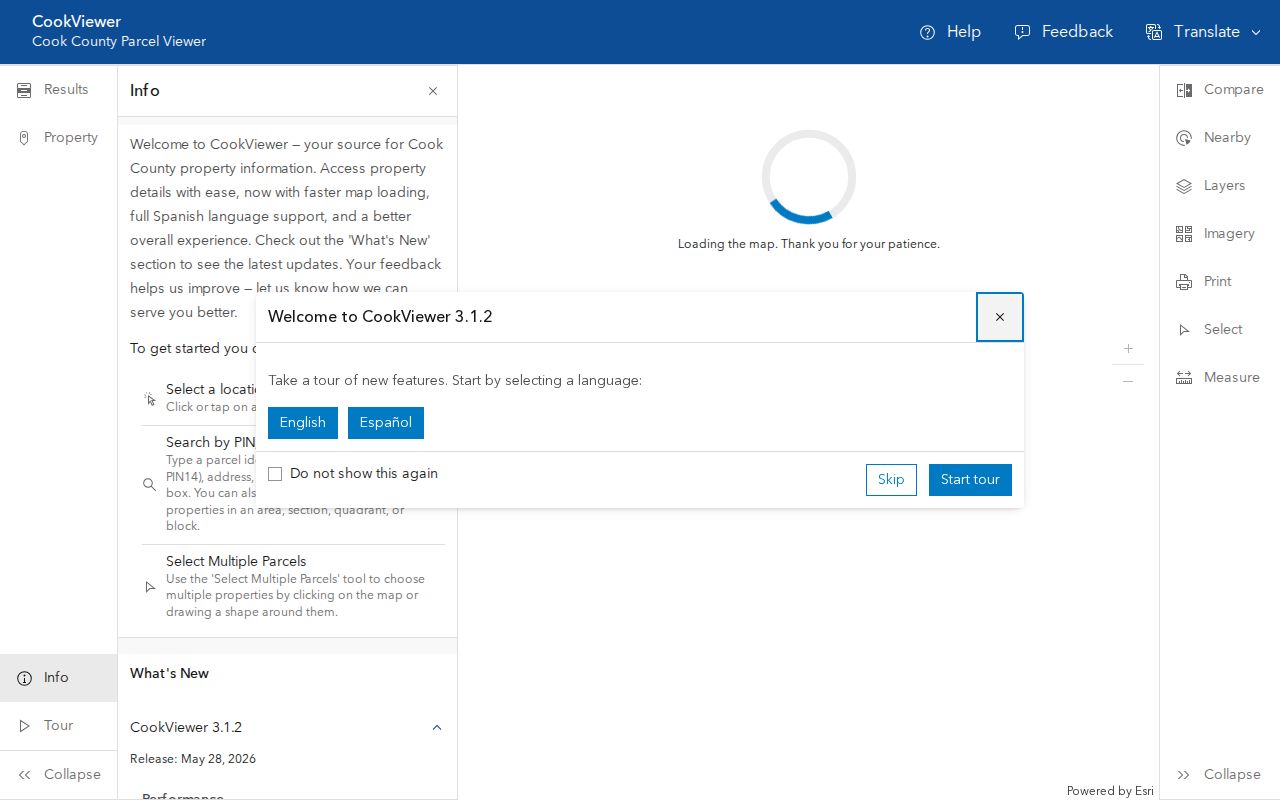
The parcel capture shows why the map comes first: the surrounding lots are defined by geometry, not merely by the next street number.
- Search the exact street address or a known 10-digit, 14-digit, or dashed PIN.
- Confirm Lansing, Thornton Township, parcel outline, road, and location before moving outward.
- Click each touching parcel separately. Record its PIN and situs address without assuming a household.
- Use rectangle or polygon selection only for a clearly defined block. Compare selected characteristics and save the map date.
- Open each parcel card in the Assessor, then follow only the records needed for the lawful question.
CookViewer also supports address locator, intersection, map click, multiple selection, comparison, print, and export. Its layers can show roads, zoning, municipal boundaries, tax districts, points of interest, and historical imagery. A map outline is still an interpretation. A deed, plat, or survey supplies the stronger evidence for a disputed legal boundary.
Read Lansing Block Layers Carefully
The general CookViewer map supplies district and layer context beyond a single parcel.
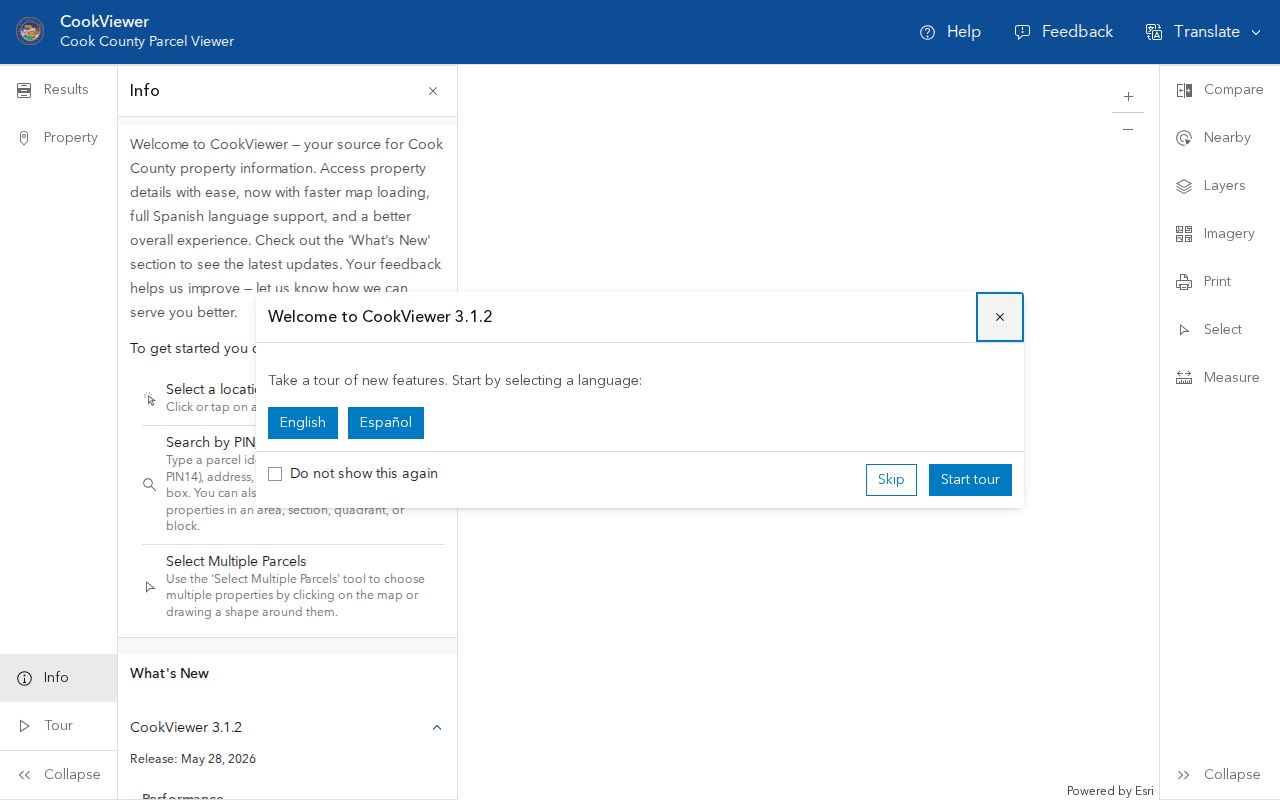
The visible controls help separate a parcel boundary from zoning, road, municipality, and tax-district layers that may overlap it.
A street’s apparent “next door” parcel can be misleading near a corner, cul-de-sac, angled road, easement, vacant tract, or village boundary. One lot may front a different street than its postal line suggests. Historical imagery may show that a structure, drive, road, or lot context changed, but imagery cannot identify the people who were there.
- Parcel
- A unit of land identified for tax and legal-record purposes.
- PIN
- Cook County's 14-digit Property Index Number for a parcel.
- Easement
- A recorded right to use part of land for a stated purpose.
- Owner/taxpayer
- The person or entity tied to assessment or tax administration, not an automatic occupant.
Lansing Community Contacts, Not Rosters
No official Village of Lansing neighborhood-association directory or public member roster was confirmed. Public institutions are still useful when the goal is to learn the block, attend a civic event, locate an archive, or reach the right office. Their public contacts do not prove that a person lives nearby or belongs to a group.
Lansing Public Library
Local research, databases, programs, and a connection to the Historical Society.
Lansing Historical Society
Digitized Historic Lansing Journal material, museum resources, and local publications.
Lansing Chamber
Public links to the village, library, park district, newspaper, and Thornton Township.
Regional Genealogy Society
Cemetery, church, newspaper, directory, court, and county-history holdings.
The Lansing Chamber is one public doorway to local organizations and resources.
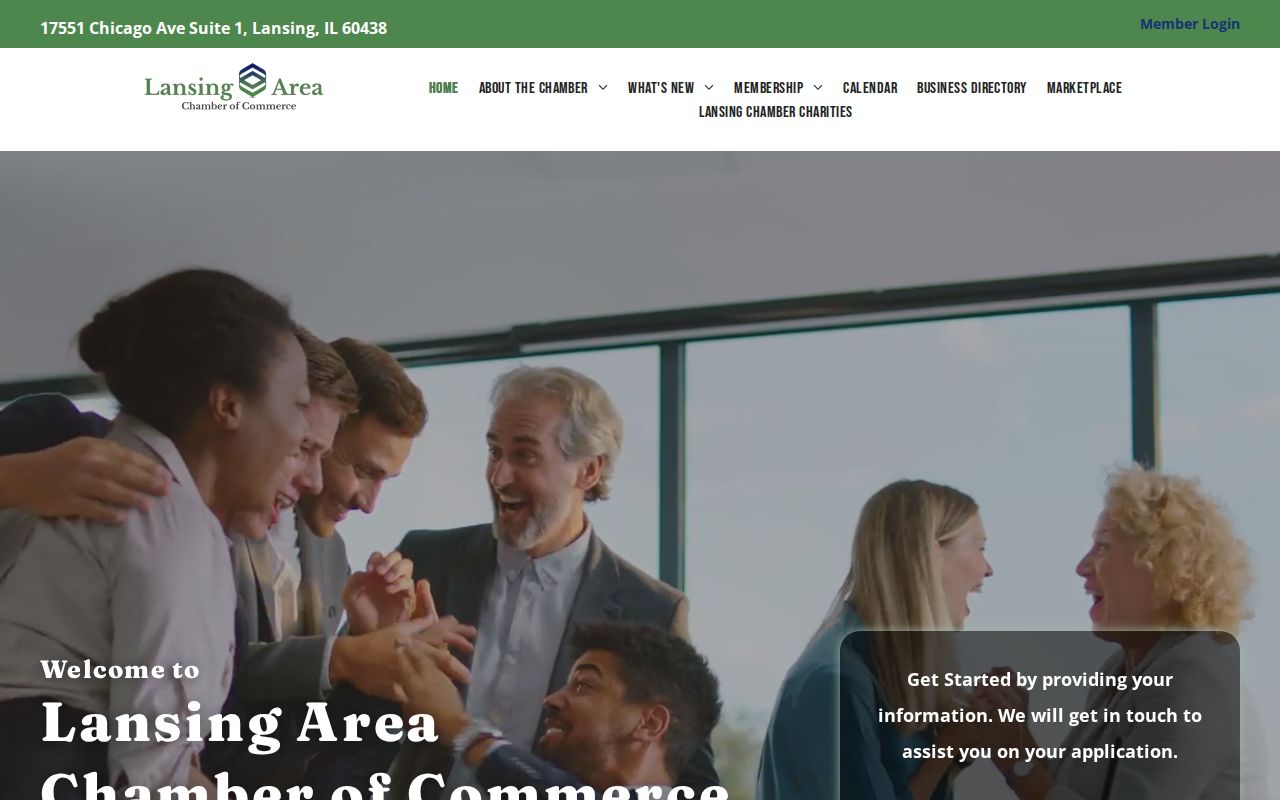
The chamber capture is best used to find public institutions and events, not to infer private residence, association membership, or endorsement.
Other researched leads include GFWC Lansing Junior Women’s Club, Lansing park and school institutions, Oak Ridge Cemetery and First Reformed Church South Holland, and Oak Glen Lutheran Church. The women’s club describes more than 60 years of community service but does not publish a member list. Ask the Village Clerk or Planning office whether a current association list exists and whether it is public.
Oak Glen Adds Block Context
The Oak Glen Cemetery history supplies a community-history lead for the Lansing area.
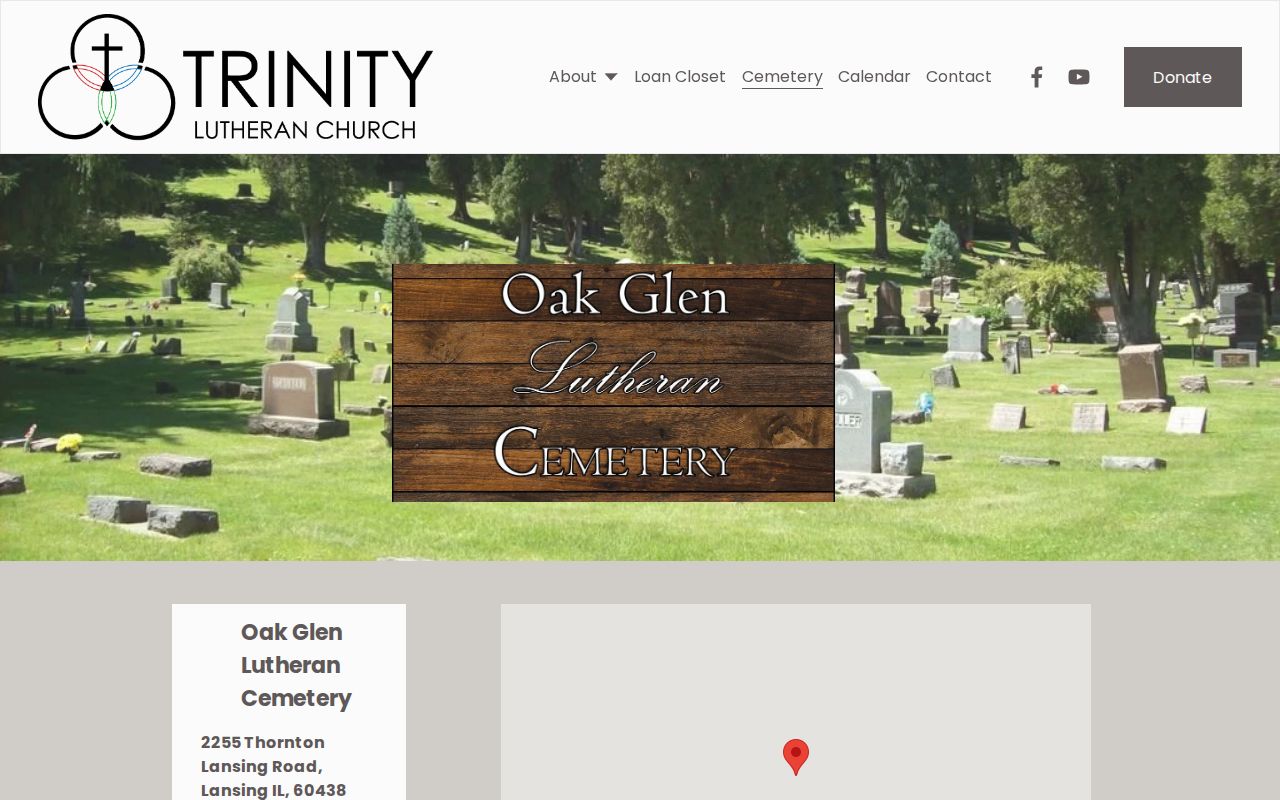
The cemetery page can connect historical names, churches, and places, but it should be paired with a dated directory, obituary, burial record, or deed before linking a person to a specific address.
Institutional stories often explain a neighborhood better than a private name list. The library’s WPA beginning, the Historical Society’s digitization, and the rescue of church consistory material after a fire are documented public-interest threads. They also show where records may have survived when an official online index does not reach an older period.
For current Lansing neighbors, keep these historic leads separate from present-day parcel research. An old newspaper address is not a current contact address. Community memory can direct a search, while the source date sets its limit.
Lansing Rules Shape the Block
The Lansing municipal code is the official route for codified ordinances and administrative-hearing rules.
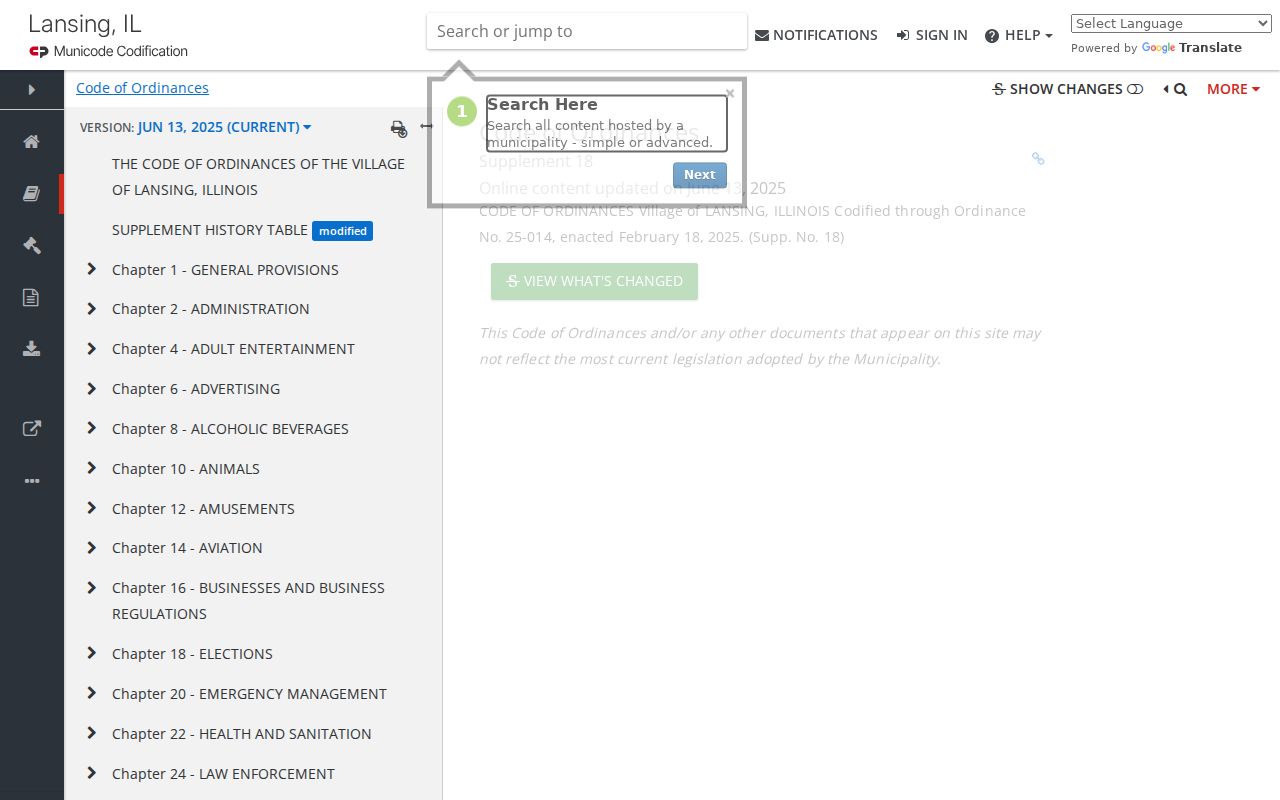
The captured code library can explain a local rule or process, but a code section does not identify a resident or prove that a violation occurred at an address.
Planning and Development links to an SSMMA ArcGIS zoning viewer. Building and OpenGov handle permits and inspection scheduling, though no complete public historical address-keyed permit index was confirmed. A narrow Illinois Freedom of Information Act request may ask for one address, date range, and record type, such as zoning, permit, inspection, certificate, or property-maintenance material.
Police reports or the weekly blotter may establish that an incident was associated with a location. They do not establish who lives there. Start from the relevant village department and verify jurisdiction, especially near Burnham, Calumet City, or another boundary where a Lansing postal label may not equal village limits.
What Election Records Confirm
The Illinois Online Voter Registration Lookup asks for first name, last name, birth date, and five-digit ZIP to confirm an individual registration. The Cook County voter information tool can return polling place, ballot, sample ballot, and mail-ballot status. These tools are for one person's election question, not for assembling a public block roster.
Illinois computerized voter data is restricted to qualifying political use, carries statutory limits on commercial solicitation and business use, and is not a general neighbors list. Some protected voters use confidentiality procedures. A no-match may reflect an input mismatch, a different jurisdiction, a changed registration, or a protected record. It does not prove that a person is absent from an address.
Precinct and district context can still be useful for civic questions. Record the lookup date and keep the result in its election role. Do not combine it with unrelated records simply to expose more about a person.
Official Lansing Rolls Versus Compilers
Commercial neighbor tools often blend parcel indexes, old directory lines, maps, marketing data, and other licensed files. The result may be quick, yet it can be stale, merge people, repeat an old address, omit a protected person, or confuse an owner with an occupant. An opt-out from a compiler does not remove an official county record.
| Measure | Official source | Compiled product |
|---|---|---|
| Purpose | Created for tax, title, maps, elections, or public administration | Combines data for a commercial lookup |
| Date and role | Usually tied to a filing, assessment, or stated update | Source date and role may be unclear |
| Correction | Custodian has a defined record process | Separate correction or opt-out route |
| Best use | Evidence for the specific official question | Unverified lead requiring confirmation |
Use the agency record that answers the question. Do not treat a paid result as an official roster, and stop once the lawful personal or civic need is met.
Respect Privacy Around Lansing Neighbors
Public records do not create permission to monitor a block. Utility, delivery, and full household data are not public resident rolls. Illinois also operates an Address Confidentiality Program through the Attorney General for eligible survivors, and other statutes can shield voter, victim, adoption, juvenile, or law-enforcement-sensitive information.
Keep a simple audit trail: original address, normalized address, map search mode, PINs clicked, date, source, role, and unresolved mismatch. If a tax-mailing address differs from the situs, label both. If an owner name differs from a directory line, do not force them into one household.
For a full named-street method, use the Lansing street directory. For a backward trail at one parcel, use Lansing past residents. Those distinct workflows prevent a focused block question from growing into unnecessary personal research.
Lawful use. Research Lansing neighbors for civic curiosity, reconnection, family history, or personal safety. Never use public data to watch, threaten, intimidate, or harass anyone.